Professional Insulation Solutions by Richmond Hill Insulation Contractor
Simplified Insulation Installation: Professional Services for Every Need
Insulation serves a vital function in boosting energy efficiency and comfort within a home. Many homeowners disregard the intricacies of correct installation, which can result in substantial energy loss and increased bills. Expert insulation services provide customized solutions to satisfy specific needs. However, understanding the various types of insulation available and the merits of expert installation is essential. This knowledge can enable homeowners to make educated decisions about their insulation projects.
Comprehending the Value of Appropriate Insulation
Though commonly neglected, correct insulation fulfills a critical purpose in maintaining energy efficiency and comfort within a home. It works as a barrier against heat transfer, retaining indoor temperatures stable independent of external weather conditions. By limiting the escape of heated or cooled air, insulation notably cuts the reliance on heating and cooling systems, which can produce lower energy bills.
Additionally, appropriate insulation contributes to soundproofing, establishing a more peaceful living environment by reducing noise from outside and between rooms. This aspect is specifically important in urban areas or homes with shared walls.
Additionally, correct insulation can work to prevent moisture buildup, which can result in mold growth and structural damage over time. Homeowners who give priority to insulation not only improve their living conditions but also safeguard their investment in the property, providing long-term stability and stability in the housing structure.
Range of Insulation Services Offered
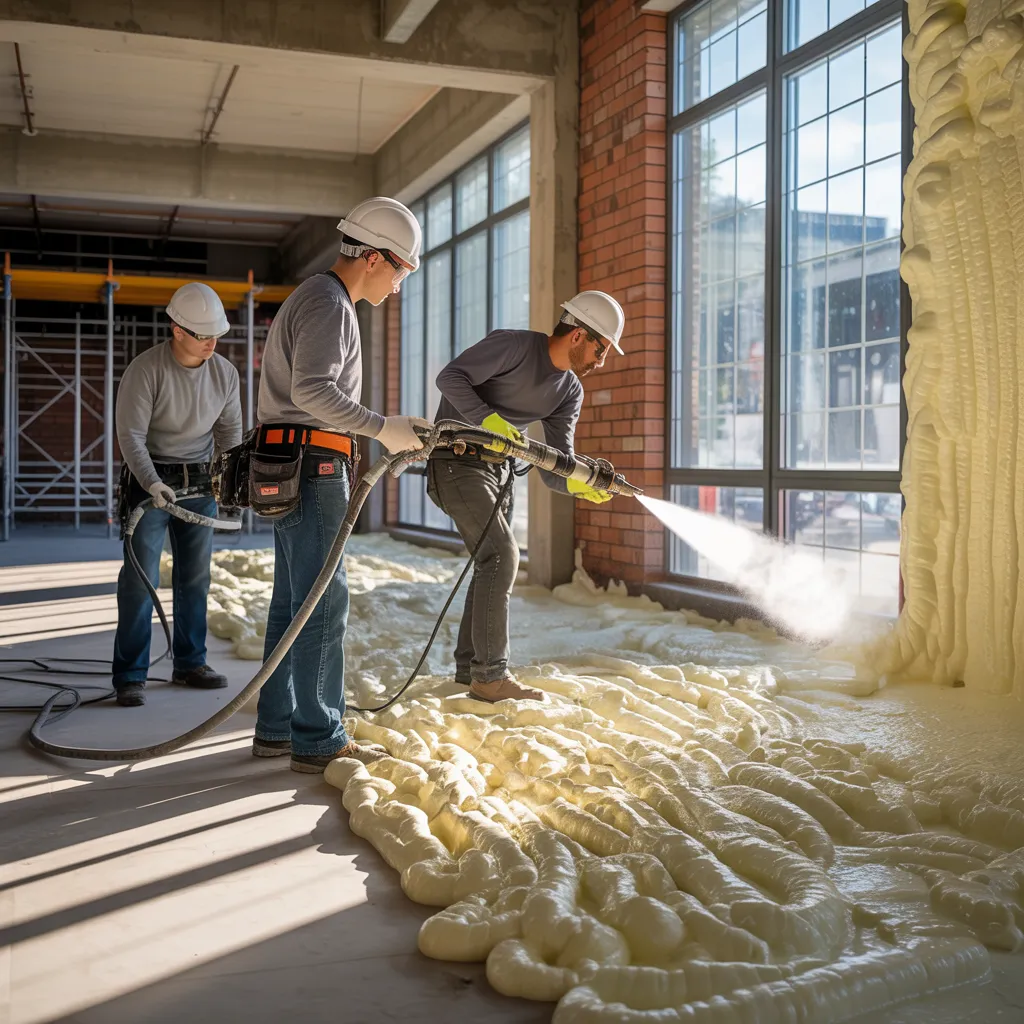
Insulation offerings comprise multiple alternatives customized to fulfill the particular demands of various properties discover details on and constructions. Among the most common types are batt insulation, which is made up of pre-cut panels of mineral wool or fiberglass, perfect for standard stud and joist spacing. Spray foam insulation provides a seamless barrier that expands to fill gaps, providing outstanding air sealing properties. Blown-in insulation, typically made from cellulose or fiberglass, is ideal for attics and challenging-to-reach areas, guaranteeing thorough coverage. Rigid foam insulation is often used for exterior walls and foundations owing to its elevated insulating value and moisture resistance. Furthermore, reflective or radiant barrier insulation is intended to reduce heat transfer, especially in warmer climates. All insulation options are intended to enhance energy efficiency, comfort, and overall building performance, making it crucial to pick the right solution based on specific building requirements and environmental conditions.
Perks of Working with Qualified Insulation Installation Specialists
As homeowners evaluate insulation installation, hiring professional installers can significantly improve the overall outcome. Professional installers deliver expertise and experience, ensuring that the insulation is installed accurately and productively. Their understanding of various insulation types allows them to propose the best options tailored to the specific needs of each home.
In addition, professionals are equipped with the proper tools and equipment, which can markedly reduce the time needed for installation. They also observe local building codes and safety regulations, decreasing the risk of potential issues.
Additionally, working with specialists can bring about enhanced energy efficiency, leading to lower utility bills over time. Qualified technicians often offer warranties on their work, ensuring homeowners peace of mind regarding the quality and durability of the insulation. Overall, investing in professional insulation installation can preserve time, money, and stress, producing a more comfortable living environment.
Understanding the Insulation Installation Process
An in-depth understanding of the insulation installation process is crucial for homeowners initiating this significant home improvement project. The process typically begins with an assessment of the home's present insulation and identifying areas demanding improvement. Professionals conduct measurements and determine the suitable type and amount of insulation required based on the specific space.
Afterward, they ready the installation area by making sure it is tidy and easy to access. This may involve eliminating old insulation and mending any worn structures. The installation itself can vary depending on the insulation type, whether it's batts, spray foam, or blown-in. Professionals meticulously install or apply the insulation, verifying it nestles tightly in the designated spaces to improve effectiveness.
At last, contractors complete a thorough inspection to validate that the insulation satisfies safety standards and performs efficiently. Quality installation not only increases energy efficiency but also promotes the overall comfort of the home.
Picking the Proper Insulation for Your Residence
How do homeowners identify the most suitable insulation for their needs? To make an informed choice, they should evaluate several factors, including climate, budget, and the specific areas requiring insulation. Different insulation types—such as fiberglass, foam, and cellulose—offer diverse R-values, which measure thermal resistance. In colder climates, higher R-values are preferable, while milder climates may require less insulation.
Property owners need to also examine the installation process, as some materials need professional installation, while others might be suitable for DIY projects. Additionally, it is vital to consider environmental impact; options like recycled cellulose can supply eco-friendly benefits.
Finally, working with insulation specialists can supply personalized recommendations depending on a home's particular needs. By carefully assessing these elements, homeowners can identify the insulation that best fulfills their requirements, providing energy efficiency and comfort throughout their living spaces.
Common Questions
How Long Does Insulation Installation Typically Take?
Insulation installation typically takes between a few hours to a full day, based on the dimensions of the space and the type of insulation being used. Variables such as accessibility and preparation also influence the timeline.
How Much Does Insulation Installation Cost?
Costs connected to insulation installation range substantially, commonly varying from $1 to $3 per square foot. Factors influencing costs include insulation material, installation complexity, and regional workforce rates, affecting the overall budget for the project.
Are There Any Government Incentives for Insulation Installation?
Several governmental bodies offer rebates for insulation installation to support energy efficiency. Such rebates may differ based on location and could depend on the insulation type utilized, making it vital to explore local programs for eligibility criteria.
Does Insulation Help With Noise Reduction?
Insulation can substantially assist with noise reduction by taking in acoustic vibrations, thereby minimizing the transmission of noise between spaces. This effect improves comfort levels in domestic and professional spaces, promoting a quieter atmosphere overall.
How Can I Prepare for Installation Day?
To get ready for installation day, homeowners should clean the area in which insulation will be placed, guarantee access to the space, eliminate any barriers, and convey any special needs or issues to the installation team ahead of time.